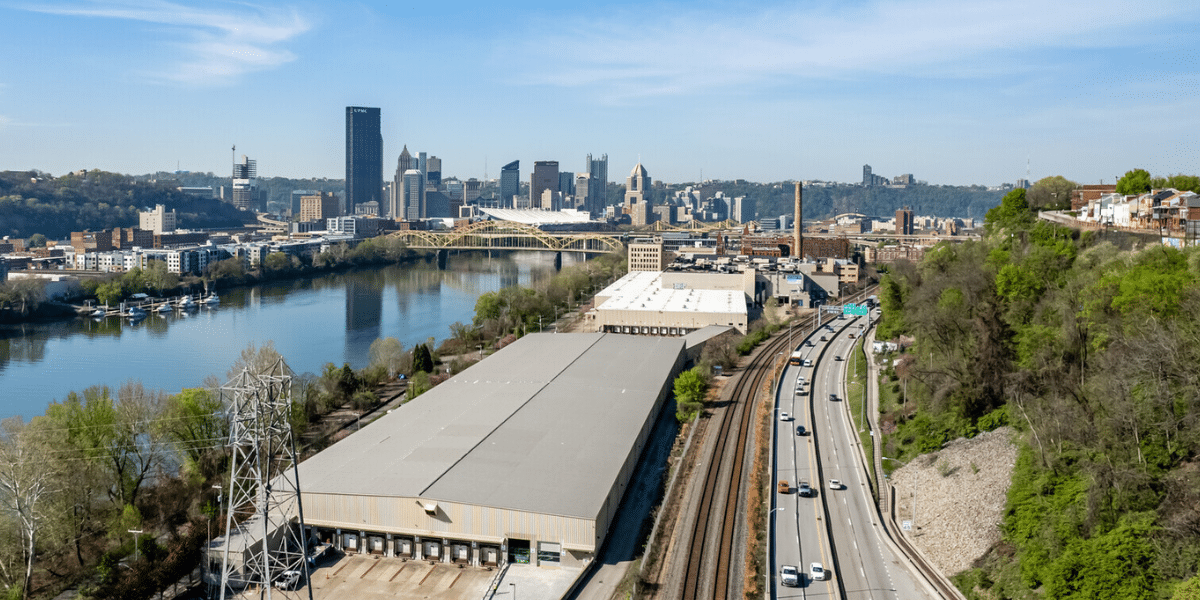

Pittsburgh’s built environment is defined by reinvention. Across the region, historic buildings, active industrial facilities, and long-standing manufacturing sites continue to be adapted, expanded, and modernized to meet today’s needs. For owners, these projects offer opportunity, but they also require a thoughtful approach to existing structural conditions, constructability, and long-term facility value.
In this three-part series, RPA Engineering explores the structural challenges unique to Pittsburgh’s existing building stock, the role local knowledge plays in reducing project risk, and how smart structural planning can support future growth. With experience in renovations, expansions, equipment upgrades, and facility modernization, RPA’s structural team helps clients develop practical solutions that are safe, cost-effective, and built for what comes next.
Why Pittsburgh’s Existing Buildings Require Specialized Structural Expertise
Pittsburgh’s built environment reflects the region’s long history of industry and innovation. Across the market, owners and developers are working with a wide range of buildings, from new construction to facilities that have been in service for decades or, in some cases, even more than a century.
From a structural engineering standpoint, that creates a unique set of challenges and opportunities.
Many projects in the Pittsburgh region involve evaluating, modifying, or expanding older buildings. These structures may include historic materials, legacy construction methods, undocumented modifications, or incomplete drawings. Before a successful renovation or expansion can begin, the project team needs to understand how the building was originally constructed, how it has changed over time, and how new design requirements will interact with the existing structure. That is where specialized structural engineering experience becomes essential.
RPA's structural engineers, familiar with Pittsburgh’s existing buildings and infrastructure, can help owners identify potential challenges early, evaluate existing capacity, and develop practical solutions that support the project’s goals. This knowledge is especially valuable when working with buildings that were designed under older codes or have been adapted over many years of use.
For owners planning improvements to an existing building, the best first step is a structural assessment. Understanding the building’s current capacity and limitations upfront can help reduce surprises, inform budgeting, and create a clearer path forward.
In a region with such a rich and varied building history, structural engineering is not just about designing what comes next. It is about understanding what is already there and helping owners bring new life to existing spaces safely and efficiently.
Assess Early and build smarter
Before moving forward with an existing building renovation, start with a clear understanding of the structure you already have. Connect with RPA's Structural Engineering Team in Pittsburgh to discuss how an early structural assessment can help reduce surprises and support a smoother project.
Contact Us